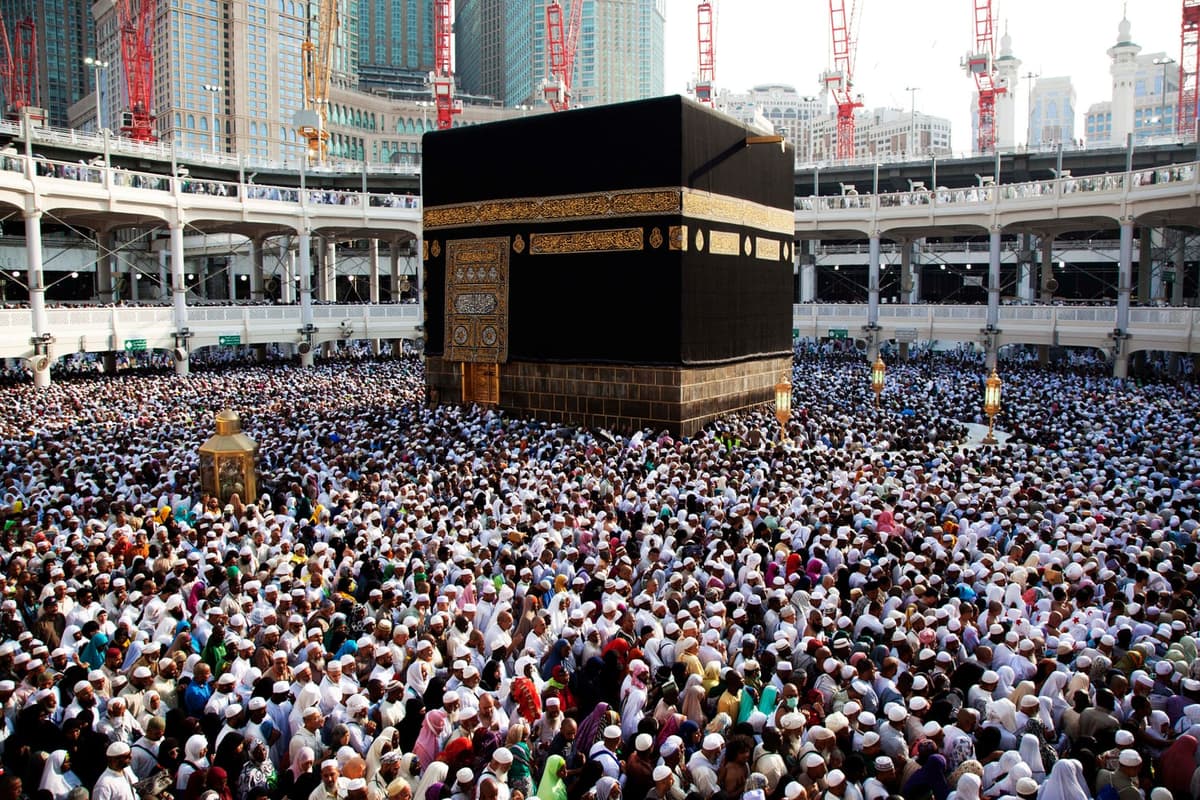
If Makkah humbles the heart, Madinah heals it. The city of the Prophet Muhammad ﷺ carries a peace that pilgrims feel from the moment they arrive. It is the place where he ﷺ built the first mosque, where he is buried, and where the early community of Islam took root. For Pakistani pilgrims, the visit to Madinah is often the most tender and emotional part of the journey. This guide offers practical, respectful help for planning your time there. For matters of ritual and ruling, please follow your group leader or a trusted scholar.
The significance of Madinah
Madinah al-Munawwarah, the Radiant City, is the second holiest city in Islam. It is home to Masjid an-Nabawi, the Prophet's Mosque, where a single prayer is worth a thousand prayers elsewhere except the Masjid al-Haram. Within it lies the blessed resting place of the Prophet ﷺ and the Rawdah, a piece of which he ﷺ described as a garden from the gardens of Paradise. Visiting Madinah is not part of the obligatory rites of Umrah, but it is deeply loved by Muslims and rarely missed by those who travel from Pakistan.
Masjid an-Nabawi and the Rawdah
The heart of any visit to Madinah is praying in Masjid an-Nabawi and, if granted the opportunity, in the Rawdah. The Rawdah is an intensely sought-after, small area, and access is now managed carefully to keep it orderly and dignified.
Booking the Rawdah via the Nusuk app
Entry to the Rawdah is organised through timed permits booked on the official Nusuk app. Download it before you travel, create your account, and book a slot for the Rawdah and for visiting (salam) when slots are released. Permits are free but limited, so book as early as you can. Men and women have separate timings and entrances.
Etiquette in the Rawdah and at the Prophet's resting place
- Approach with calm, lowered voices and deep respect. This is the most beloved spot for the believer.
- Send salutations upon the Prophet ﷺ, then upon Abu Bakr and Umar, may Allah be pleased with them, as is the tradition.
- Do not push or rush. Volunteers guide the flow; follow their instructions patiently.
- Keep your du'a sincere and private; avoid practices not rooted in the Sunnah. If unsure, ask a scholar rather than copying others.
Getting there from Pakistan and from Makkah
There are two common ways to reach Madinah:
- By air: Fly into Prince Mohammad bin Abdulaziz International Airport (MED) in Madinah. Direct flights operate from Karachi, Lahore and Islamabad on carriers such as Saudia, PIA and airblue. Indicative return fares run roughly PKR 150,000–260,000 depending on season; compare on flight search.
- From Makkah by Haramain High Speed Railway: Most pilgrims combine Makkah and Madinah. The Haramain train links the two cities in around two to two and a half hours, smooth and comfortable, a far easier option than the long road journey.
Where to stay
As in Makkah, proximity to the Haram is everything. Hotels ring the open courtyards of Masjid an-Nabawi.
| Area | What to expect | Indicative nightly cost |
|---|---|---|
| Central zone (facing the Haram) | Steps from the courtyards, premium hotels, ideal for elderly | PKR 25,000–70,000+ (SAR ~320–900+) |
| Within a short walk | Good mid-range hotels, a few minutes on foot | PKR 14,000–30,000 (SAR ~180–390) |
| Outer area (budget) | Cheaper, a longer walk or short taxi | PKR 7,000–16,000 (SAR ~90–210) |
The courtyards of Masjid an-Nabawi are vast and shaded by the famous retractable umbrellas, so even nearby hotels keep you close to prayer. Compare options on hotels. Prices climb in Ramadan and peak season.
Ziyarat sites in and around Madinah
Masjid Quba
The first mosque built in Islam. The Prophet ﷺ encouraged praying two rak'ah there, with great reward. It is a short drive from the city centre and a peaceful, uplifting visit.
Mount Uhud and the martyrs of Uhud
The site of the Battle of Uhud, where many companions, including the Prophet's beloved uncle Hamza, may Allah be pleased with him, were martyred. Pilgrims visit to reflect on their sacrifice and make du'a for them. Treat it as a place of remembrance and history.
Masjid al-Qiblatayn and the Seven Mosques
Historically significant sites worth visiting for their connection to the early Muslim community, often included in a half-day Ziyarat tour arranged by groups and agents.
The peaceful atmosphere of Madinah
Pilgrims often describe Madinah as gentler and calmer than Makkah. The pace is slower, the courtyards are open and breezy in the evenings, and there is a tranquillity that settles over visitors. Spend unhurried time in the Masjid, read Qur'an, send abundant salutations upon the Prophet ﷺ, and let the city's peace work on your heart.
Practical tips
- Book Rawdah and salam slots early on the Nusuk app, and keep your permit and ID ready.
- The courtyards are huge; note your gate number so you can find your way back to your shoes and group.
- Carry a refillable bottle; Zamzam is available within the Masjid.
- Women should locate the designated prayer and Rawdah-access areas, with separate timings; signage and volunteers help.
- Evenings are pleasant in the courtyards, a lovely time for reflection and du'a.
- Dress modestly and unscented if you arrive still in ihram from Umrah.
A closing word
To stand in the Prophet's Mosque, to send salam upon him ﷺ, and to pray where the first Muslims prayed is a mercy beyond words. Go with adab, patience and love. May Allah grant you acceptance and let your heart carry Madinah's peace home with you. When you are ready to plan your Ziyarat, our Umrah team can help with flights, the Haramain train and stays near the Haram.