Why visit Hunza Valley
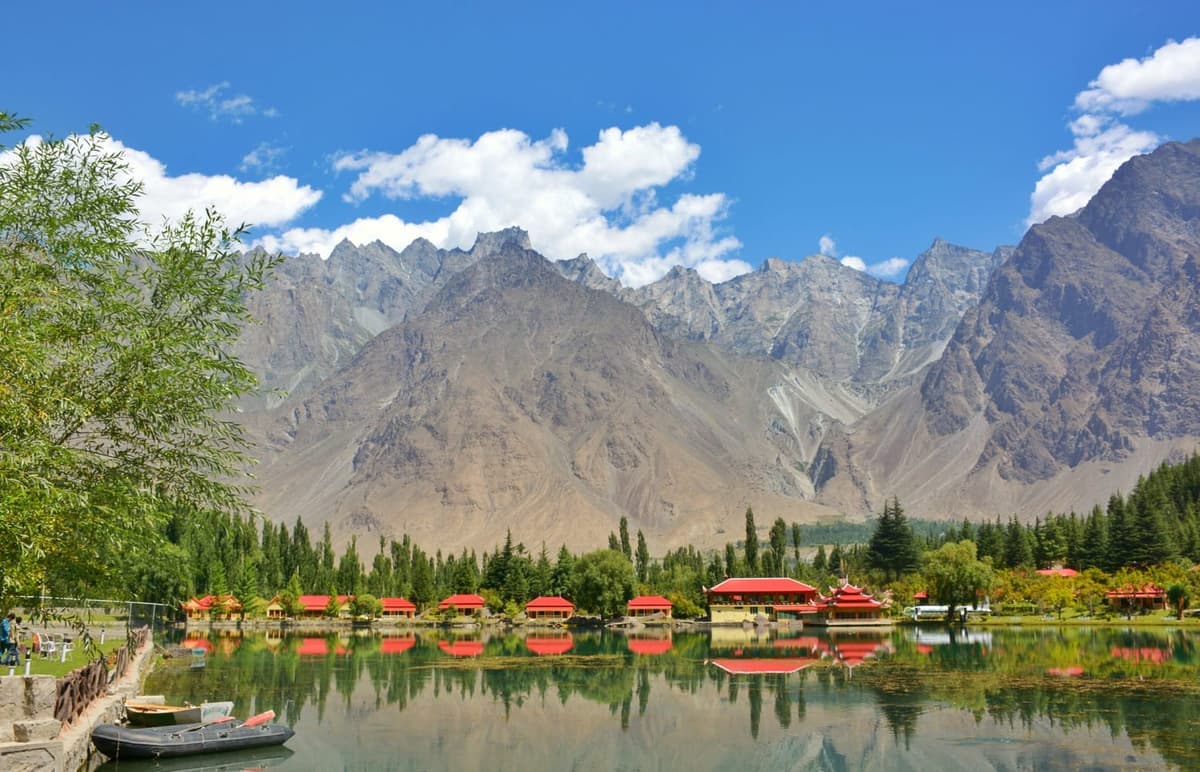
Hunza is the postcard of northern Pakistan. Tucked into the Gilgit-Baltistan region along the old Silk Road, the valley is ringed by giants like Rakaposhi (7,788m) and Ultar Sar, with the historic town of Karimabad terraced into the slope above the Hunza River. People come for the scenery, but they remember the calm: clean air, fruit orchards, centuries-old forts, and one of the warmest, safest communities you will meet anywhere in the country.
For Pakistani families, it is also refreshingly easy to enjoy. It is a domestic trip, the food is familiar, the people are hospitable, and it works as a budget getaway or a comfortable honeymoon depending on how you plan it.
Best time to visit Hunza
Hunza is a year-round destination but it changes character with the seasons:
- Late March to April — cherry, apricot and apple blossom turn the whole valley pink and white. This is the most photographed season.
- May to August — warm, green and the easiest time for road access; ideal for families and first-timers.
- Mid to late October — golden autumn, arguably the most beautiful, with poplars and orchards turning amber.
- November to February — quiet, cold and snowy. Magical but only for travellers comfortable with road closures and limited services.
How to get there from Pakistan
There are two realistic ways to reach Hunza, and most travellers combine them.
By air to Gilgit
PIA operates flights to Gilgit from Islamabad, and the airport is roughly a 2.5–3 hour drive from Karimabad. The flight is short and spectacular, passing close to Nanga Parbat, but it is weather-dependent and cancellations are common, so always keep a road buffer day. You can compare and book domestic flights on /air/search. There is no direct commercial flight into Hunza itself.
By road on the Karakoram Highway
Most people drive or take a coach up the Karakoram Highway (KKH). From Islamabad to Hunza is roughly 600 km and takes around 16–20 hours by road, usually split over two days with an overnight stop in Chilas or Naran (Naran route is seasonal). Daewoo, NATCO and private 4x4/Land Cruiser operators run this route. If you are coming from Karachi or Lahore, fly to Islamabad first, then continue by air or road.
Permits & entry
Hunza is a domestic destination, so Pakistani nationals do not need a visa. Carry your original CNIC (or B-Form for children) as there are army check-posts along the KKH where ID is logged. No special permit is required for the main valley, but areas near the border (such as Khunjerab Pass toward China) have additional checkpoints. Foreign passport holders should check current NOC requirements separately.
Where to stay
Most visitors base themselves in Karimabad for the views and walkability, or in Aliabad (the commercial hub) and Gulmit/Passu for upper Hunza.
- Budget guesthouses — clean rooms, shared or simple private baths, roughly PKR 4,000–8,000 per night.
- Mid-range hotels — comfortable rooms, often with valley or Rakaposhi views, roughly PKR 9,000–18,000.
- Premium lodges — heritage-style or view-terrace hotels, roughly PKR 20,000–40,000+ in peak season.
Book early for blossom and autumn weeks, when good rooms sell out fast. You can browse stays on /hotels.
Top things to do in Hunza
- Baltit Fort — the 700-year-old former seat of the Mirs of Hunza, beautifully restored, with sweeping views over Karimabad.
- Altit Fort & the royal garden — older than Baltit, with a charming restored village around it.
- Eagle's Nest viewpoint (Duikar) — the classic sunrise/sunset spot for Rakaposhi and the whole valley.
- Attabad Lake — the surreal turquoise lake formed in 2010; boating and jet-ski rides available.
- Passu Cones & Hussaini suspension bridge — the iconic jagged peaks and the famous (and wobbly) rope bridge.
- Khunjerab Pass — the world's highest paved border crossing at 4,693m (open seasonally; expect altitude effects).
- Hopper Valley & glaciers — a day trip to see black-and-white glaciers up close.
- Walk the orchards of Karimabad — slow mornings among apricot and cherry trees are the real Hunza experience.
Food to try
Hunza's cuisine is hearty and mountain-grown. Try chapshuro (a meat-filled flatbread, sometimes called the Hunza pizza), diram fitti, walnut and apricot cake, buckwheat pancakes, and the famous dried apricots and apricot-kernel oil. Locally pressed mulberry and apricot products make great gifts to bring home.
Getting around
Within the valley, hiring a local car or 4x4 with a driver for the day (roughly PKR 8,000–15,000 depending on distance and vehicle) is the most flexible option, as public transport is limited and roads to viewpoints are rough. Karimabad itself is best explored on foot.
Sample budget (per person, per day)
| Item | Budget (PKR) | Comfort (PKR) |
|---|---|---|
| Accommodation | 3,000–4,000 | 9,000–18,000 |
| Food (3 meals) | 1,500–2,500 | 3,500–6,000 |
| Local transport / day trips | 1,500–3,000 | 4,000–7,000 |
| Entry tickets / activities | 500–1,500 | 2,000–4,000 |
| Daily total | ~6,500–11,000 | ~18,500–35,000 |
Add your return transport: flights to Gilgit vary by season, while a KKH coach is the cheapest way up.
Safety & practical tips
- Hunza is one of the safest regions in Pakistan, with very low crime and famously hospitable locals.
- Keep a buffer day for weather; Gilgit flights cancel often and KKH landslides can cause delays.
- Carry cash. ATMs exist in Aliabad and Gilgit but can be unreliable; many guesthouses are cash-only.
- Mobile coverage is patchy; SCOM works best in the north, with limited Jazz/Zong in towns.
- Pack layers even in summer — mornings and viewpoints get cold. Sunscreen is essential at altitude.
- Acclimatise before Khunjerab Pass; the altitude can cause headaches and breathlessness.
Final word
Hunza rewards slow travel. Give it four to six days, build in a buffer for the road, and let yourself sit with a cup of apricot tea and a Rakaposhi view. Whether you go for the blossoms, the autumn gold, or simply the quiet, it will likely be the trip you talk about for years.