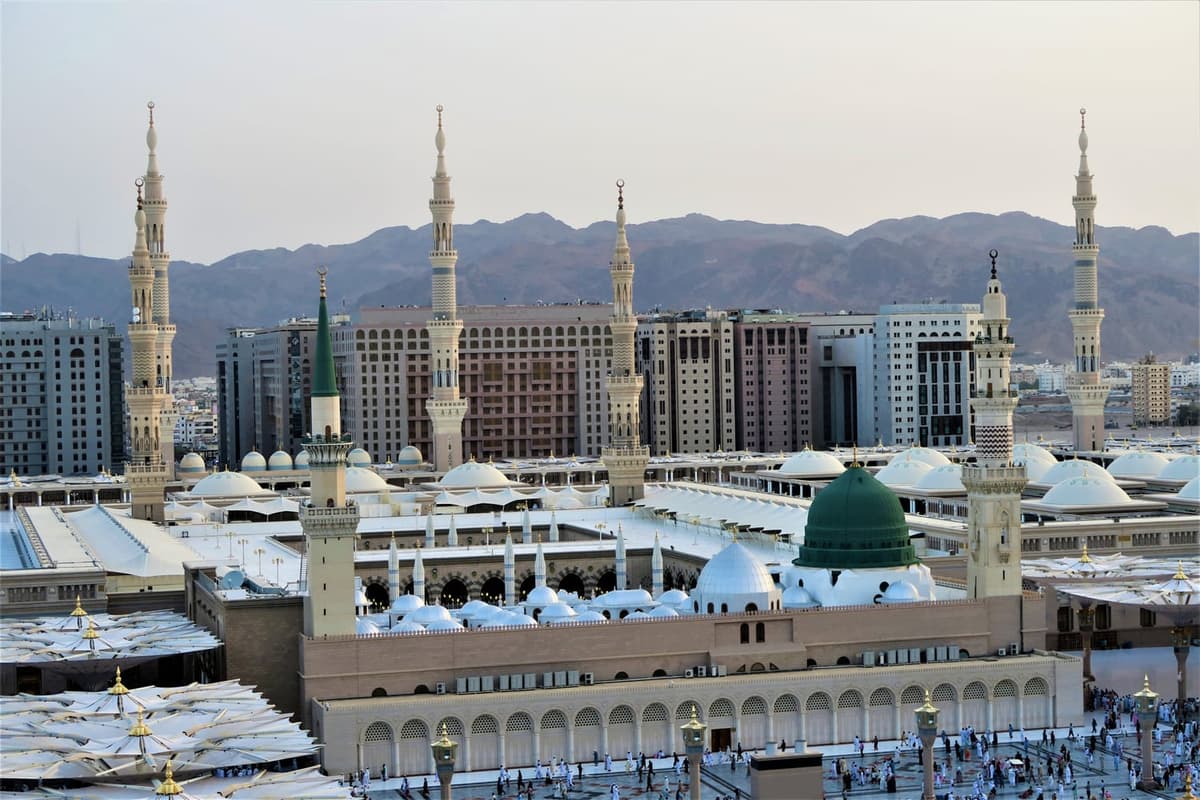
For Muslims, no journey carries the weight of a trip to Makkah al-Mukarramah. It is the city of the Holy Ka'bah, the qiblah toward which we turn five times a day, and the place where millions gather every year to answer the call of Umrah and Hajj. This guide is written for Pakistani pilgrims preparing for Umrah, with honest, practical information on planning, travel, costs and etiquette. We keep it humble: where matters of fiqh or ritual detail arise, please follow your group leader, a trusted scholar, or your Umrah agent.
The significance of Makkah
Makkah is home to the Masjid al-Haram and the Ka'bah, built by Prophet Ibrahim and his son Ismail (peace be upon them). It is the most sacred city in Islam, and a single prayer in the Masjid al-Haram carries immense reward. Pilgrims arrive in a state of ihram, leaving behind worldly distinctions, dressed simply, calling out the Talbiyah. For most Pakistani families, reaching Makkah is the dream of a lifetime, often saved for over many years. Approach it with sincerity, patience, and gratitude.
Best time to perform Umrah
Umrah can be performed at almost any time of year, and the right time depends on what you are seeking.
- Ramadan: The most rewarding time, with the Prophet's words that Umrah in Ramadan equals the reward of Hajj. It is also the most crowded and expensive period, with hotels and flights at their peak. The Haram is packed, especially in the last ten nights.
- Off-peak (roughly after Hajj through to before Ramadan, avoiding school holidays): Far fewer crowds, easier Tawaf, lower hotel and flight prices, and a calmer, more reflective experience. Many families with elderly parents prefer this.
- Summer months: Cheaper, but Makkah's heat can exceed 45°C. Manageable with care, but harder for the elderly and children.
Note that Umrah visas are typically paused for a period during the Hajj season, so always confirm current dates with your agent.
Getting there from Pakistan
Most pilgrims fly into Jeddah (JED), the gateway airport about 90 minutes from Makkah. Direct flights operate from Karachi (KHI), Lahore (LHE) and Islamabad (ISB).
- Airlines: Saudia, PIA and airblue are the common carriers on these routes, with seasonal options from others.
- Indicative return fares (economy): roughly PKR 150,000–250,000 in off-peak months, often rising to PKR 300,000 or more during Ramadan and peak season. Book early for the best value and compare options on flight search.
From Jeddah to Makkah you can take a private transfer, a group coach (usually arranged in Umrah packages), or the modern Haramain High Speed Railway from Jeddah/King Abdulaziz Airport station to Makkah in around 30–45 minutes. The train is comfortable, air-conditioned, and a relief after a long flight.
Umrah visa for Pakistanis
The visa process has become more flexible in recent years, but it must be handled correctly. Realistic options include:
- Through an approved Umrah agent: The most common route for Pakistani families. A licensed agent arranges the visa, flights, hotels and ground transport as a package. Always verify the agent is registered and reputable.
- Online Umrah/tourist visa routes (e.g. via the official Nusuk platform or eligible visit visas): Increasingly available for independent travellers, but eligibility and rules change, so confirm current requirements before relying on them.
We make no false promises about approval times or guarantees. Speak to a trusted Umrah team or check the latest visa guidance before booking non-refundable flights.
Where to stay
Accommodation in Makkah is mostly about one thing: distance from the Masjid al-Haram.
| Area | What to expect | Indicative nightly cost |
|---|---|---|
| Clock Tower / Haram-front | Steps from the Masjid al-Haram, premium hotels, easiest for elderly | PKR 35,000–90,000+ (SAR ~450–1,200+) |
| Within 500m–1km | Short walk, good mid-range hotels | PKR 18,000–40,000 (SAR ~230–520) |
| Aziziyah (budget) | Cheaper, more space, needs a shuttle or taxi to the Haram | PKR 8,000–20,000 (SAR ~100–260) |
Haram-front hotels save precious energy for older pilgrims; Aziziyah saves money if you do not mind transport. Compare options on hotels. Prices rise sharply in Ramadan and peak season.
The Umrah journey, in brief
Umrah is a beautiful sequence of acts of worship. At a high level it includes:
- Ihram and Miqat: Entering the state of ihram and making the intention at the prescribed Miqat boundary.
- Tawaf: Circling the Ka'bah seven times.
- Sa'i: Walking seven times between the hills of Safa and Marwah.
- Halq or Taqsir: Trimming or shaving the hair to complete the Umrah.
These are summarised only to help you plan. For the exact method, du'as and rulings, follow your group leader or a qualified scholar. Many pilgrims keep a small guide booklet and stay close to their group during the rites.
Practical tips
- Hydration and heat: Carry water, drink Zamzam freely, and avoid the midday sun for long walks.
- Crowds: Tawaf is calmest in the early hours after Fajr or late at night. Keep elderly family members close and agree on a meeting point.
- Women's prayer areas: Designated sections exist; signage and volunteers can help you locate them.
- Zamzam: Freely available throughout the Haram; bring a refillable bottle.
- What to pack: Ihram garments, comfortable sandals (easy to carry in a bag during Tawaf), unscented toiletries, a light prayer mat, medicines, and a power bank.
- Footwear: Use a cloth bag to carry your sandals so they are not lost.
Ziyarat sites around Makkah
Many pilgrims visit historically significant sites such as the plain of Arafat, Mina, Muzdalifah, Jabal al-Noor (the mountain of the Cave of Hira) and Jabal Thawr. Visiting for reflection and history is encouraged, but treat these as places of remembrance, not worship in themselves.
A closing word
Makkah humbles everyone who enters it. Go with patience for the crowds, kindness for fellow pilgrims, and a heart full of du'a. May your Umrah be accepted. When you are ready to plan, our Umrah team can help with visa, flights and stays.