Why visit Skardu
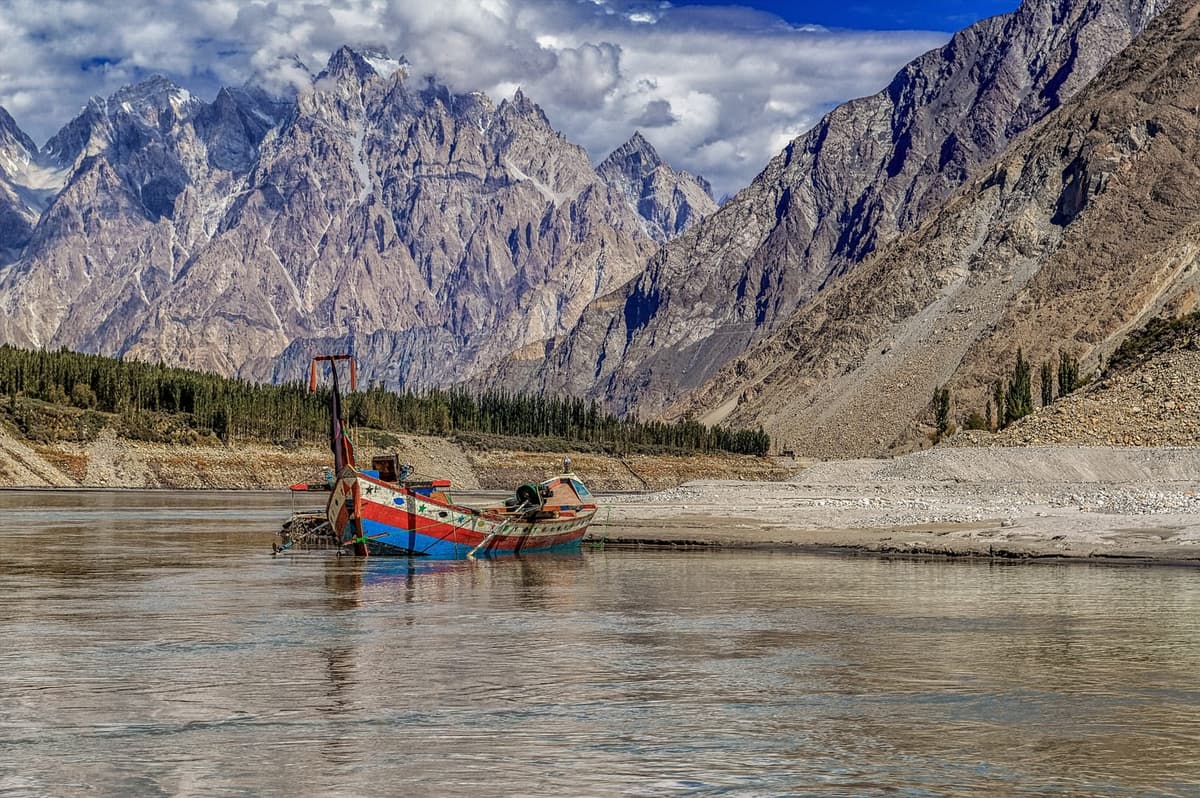
If Hunza is the valley of orchards, Skardu is the land of giants. The gateway to Baltistan and to four of the world's fourteen 8,000m peaks (including K2), Skardu sits in a wide high-desert valley where the Indus and Shigar rivers braid between cold sand dunes, alpine lakes and snow walls. It is dramatic, raw and a little otherworldly — one moment you are beside a glassy lake, the next you are standing on sand with snow peaks behind you.
For Pakistani travellers it offers a different north: fewer crowds than Hunza in places, jaw-dropping landscapes, and the launchpad for the famous Deosai Plains and trekking routes toward Concordia and K2 base camp.
Best time to visit Skardu
- May to June — green valleys, blooming gardens, comfortable days; lakes fully accessible.
- July to September — the only window the Deosai National Park is reliably open (it is the world's second-highest plateau and snowbound most of the year).
- October — crisp, golden and quiet, though higher routes start closing.
- Winter — very cold and largely cut off by road; only for hardy travellers, and access is mainly by air when flights operate.
How to get there from Pakistan
By air to Skardu
This is the way most travellers go. PIA operates flights from Islamabad to Skardu, and the descent between Nanga Parbat and the surrounding peaks is one of the most spectacular landings in the world. Like all northern flights it is weather-dependent and cancellations happen, so keep a buffer day. Compare and book domestic flights on /air/search. International travellers and those from Karachi or Lahore typically route through Islamabad first.
By road
By road from Islamabad it is roughly 600–700 km and a long 18–22 hours, usually split over two days via the Karakoram Highway to Jaglot and then the Skardu road along the Indus. The road has improved a lot but is still a serious mountain drive; most people prefer to fly at least one direction.
Permits & entry
Skardu is a domestic destination, so Pakistani nationals do not need a visa — just carry your original CNIC (B-Form for children) for the check-posts. Deosai has a small national-park entry fee. Treks toward K2 base camp and the high glaciers require permits and registered guides/porters; arrange these through a licensed tour operator well in advance. Foreign nationals should check NOC requirements for restricted areas separately.
Where to stay
Most visitors stay in or near Skardu town, with some choosing the scenic resorts at Shangrila (Lower Kachura) or guesthouses in the Shigar valley.
- Budget guesthouses — simple, clean rooms, roughly PKR 4,000–8,000 per night.
- Mid-range hotels — comfortable rooms, often near the river or town, roughly PKR 9,000–18,000.
- Resort & heritage stays — Shangrila resort cottages and the restored Shigar Fort serai style, roughly PKR 20,000–45,000+.
Book early in the July–September peak. Browse stays on /hotels.
Top things to do in Skardu
- Shangrila & Lower Kachura Lake — the famous "Heaven on Earth" resort and its mirror-still lake.
- Upper Kachura Lake — a short walk beyond Shangrila, quieter and deep blue.
- Deosai National Park — the surreal high plateau of wildflowers, Sheosar Lake and Himalayan brown bears (summer only).
- Shigar Fort & valley — a beautifully restored 17th-century fort-palace and a green side valley.
- Khaplu Palace — a magnificent restored palace about 2–3 hours east, well worth the day trip.
- Katpana cold desert — high-altitude sand dunes right beside snow peaks, magical at sunset.
- Manthal Buddha Rock — an ancient carved Buddha relief near Skardu town.
- Boating on Satpara Lake — a calm half-day close to town.
Food to try
Baltistan's food is mountain comfort: balay (a local noodle dish), prapu, apricot soup, mamtu (dumplings), barley breads and plenty of apricots and walnuts. River trout, often grilled or fried, is a local treat. As always in the north, dried apricots and apricot-kernel oil make excellent gifts to take home.
Getting around
Distances between sights are large and roads are rough, so hiring a 4x4 or car with a driver for day trips is the norm — budget roughly PKR 10,000–20,000 per day for Deosai or Khaplu excursions, as these need sturdy vehicles. Around Skardu town, local taxis and Hiace vans handle shorter hops.
Sample budget (per person, per day)
| Item | Budget (PKR) | Comfort (PKR) |
|---|---|---|
| Accommodation | 3,000–4,000 | 9,000–18,000 |
| Food (3 meals) | 1,500–2,500 | 3,500–6,000 |
| Local transport / day trips | 2,500–4,000 | 6,000–10,000 |
| Park fees / activities | 500–1,500 | 2,000–4,000 |
| Daily total | ~7,500–12,000 | ~20,500–38,000 |
Add return airfare or coach fare; flights to Skardu from Islamabad vary by season and demand.
Safety & practical tips
- Skardu and Baltistan are very safe and famously hospitable; the main challenges are weather and altitude, not security.
- Always keep a buffer day — Skardu flights cancel often and the road can take two full days.
- Deosai sits above 4,000m; go slow, stay hydrated and watch for altitude headaches.
- Carry cash. ATMs in Skardu town can be unreliable and many guesthouses are cash-only.
- Mobile coverage is limited; SCOM works best, with some Zong/Jazz in town.
- Pack serious warm layers even in summer — nights and Deosai are cold year-round.
Final word
Skardu is for travellers who want their north a little wilder. Give it five to seven days, fly at least one way if you can, and do not miss Deosai if your dates fall in summer. Few places in Pakistan deliver landscapes this big or memories this lasting.