How do I get to Khunjerab Pass from Islamabad or Lahore?+
There is no airport at the pass. The usual route is to fly PIA from Islamabad to Gilgit (GIL), then drive the Karakoram Highway up through Hunza to Sost and on to the pass. By road from Islamabad it is a long two-day KKH journey, roughly 20–24 hours of driving usually split with an overnight in Chilas or Hunza; from Lahore add the leg to Islamabad first. The final high stretch from Sost is paved but steep and winding, so most people go up in a sturdy 4x4 with a local driver and treat Khunjerab as a day trip from Hunza or Sost.
What is the best season to visit Khunjerab Pass?+
Khunjerab is only reachable in the warmer months. The top section and the border gate are typically open from around May to October, with June to September the most reliable window. In winter the pass is shut by snow. Aim for a clear summer day and start early, as afternoons can turn cold and cloudy even in July.
What is there to see and do at Khunjerab Pass?+
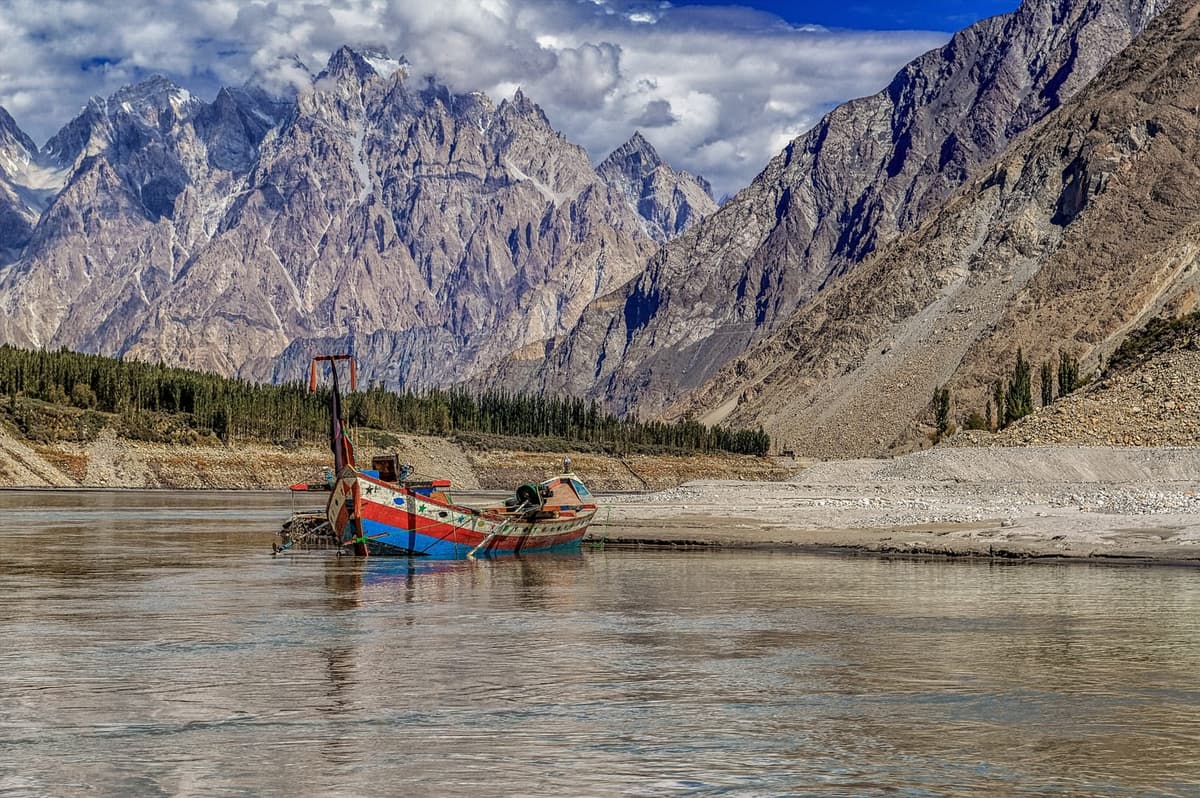
The pass itself is the draw: standing at roughly 4,700m at the Pakistan–China border gate, the highest paved border crossing in the world, surrounded by Khunjerab National Park where you might spot marmots and ibex. The drive up is half the trip, passing Sost, the Passu Cones, Attabad Lake and the Hussaini suspension bridge, so most travellers combine Khunjerab with upper Hunza. Carry your CNIC for the check-posts and go slow, as the altitude is real.
Where should I stay near Khunjerab Pass?+
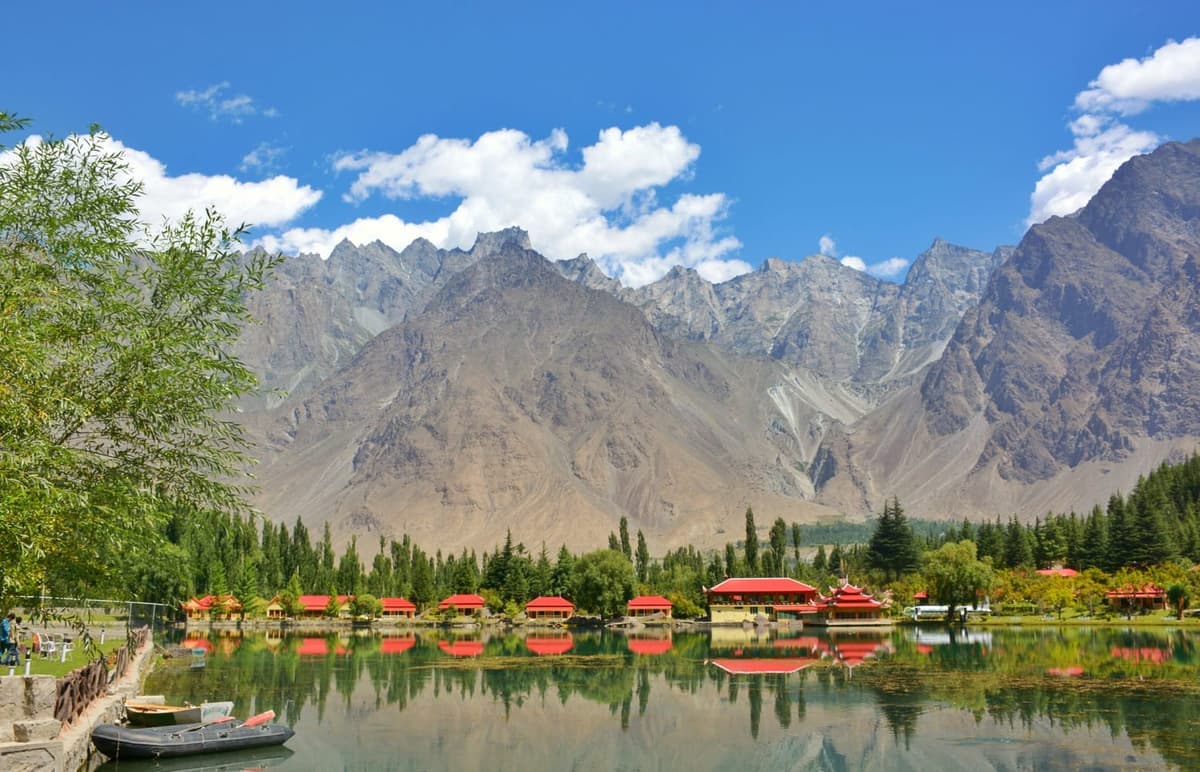
There is no accommodation at the pass, so people base themselves lower down. Sost, the last town before the border, has simple guesthouses and small hotels and is the closest overnight option. Most travellers prefer to stay in Hunza — Karimabad, Gulmit or Passu — which has a wider range of guesthouses, mid-range hotels and view lodges, then drive up to Khunjerab for the day. Use Plan a stay to request assistance; live hotel inventory is not currently searchable online.